The Importance of Gift Tax Valuation
In the United States, gift tax valuation is a critical process used to determine the value of a transferred asset for federal tax purposes. When an individual transfers property—whether it be cash, real estate, or business interests—to another person without receiving full market value in return, the IRS requires a formal assessment of that gift’s worth.
Defining Fair Market Value
The standard used for gift tax valuation is “fair market value” (FMV). This is defined as the price at which the property would change hands between a willing buyer and a willing seller, neither being under any compulsion to buy or sell and both having reasonable knowledge of the relevant facts. While valuation is simple for cash or publicly traded securities, it becomes more complex for non-liquid assets.
Challenges with Complex Assets
For assets such as closely held business shares, fractional interests in real estate, or private equity, professional appraisals are often mandatory. In these instances, valuation experts may apply discounts for lack of marketability or lack of control. These adjustments reflect the decreased value of an asset that cannot be easily sold or does not grant the owner decision-making power.
Compliance and Reporting
Accurate gift tax valuation is essential for properly utilizing the annual gift tax exclusion and the lifetime unified credit. Improperly valued gifts can lead to IRS audits, significant penalties, and interest charges. Maintaining detailed documentation and professional appraisal reports is the most effective way to ensure compliance with federal tax laws.
Understanding the Essentials of Gift Tax Valuation
new york (AN)
cucciolata del 5 Aprile 7666
in regalo
I cuccioli
Contatto diretto
-
gift tax valuation
new york
new york (AN)
Altri cuccioli
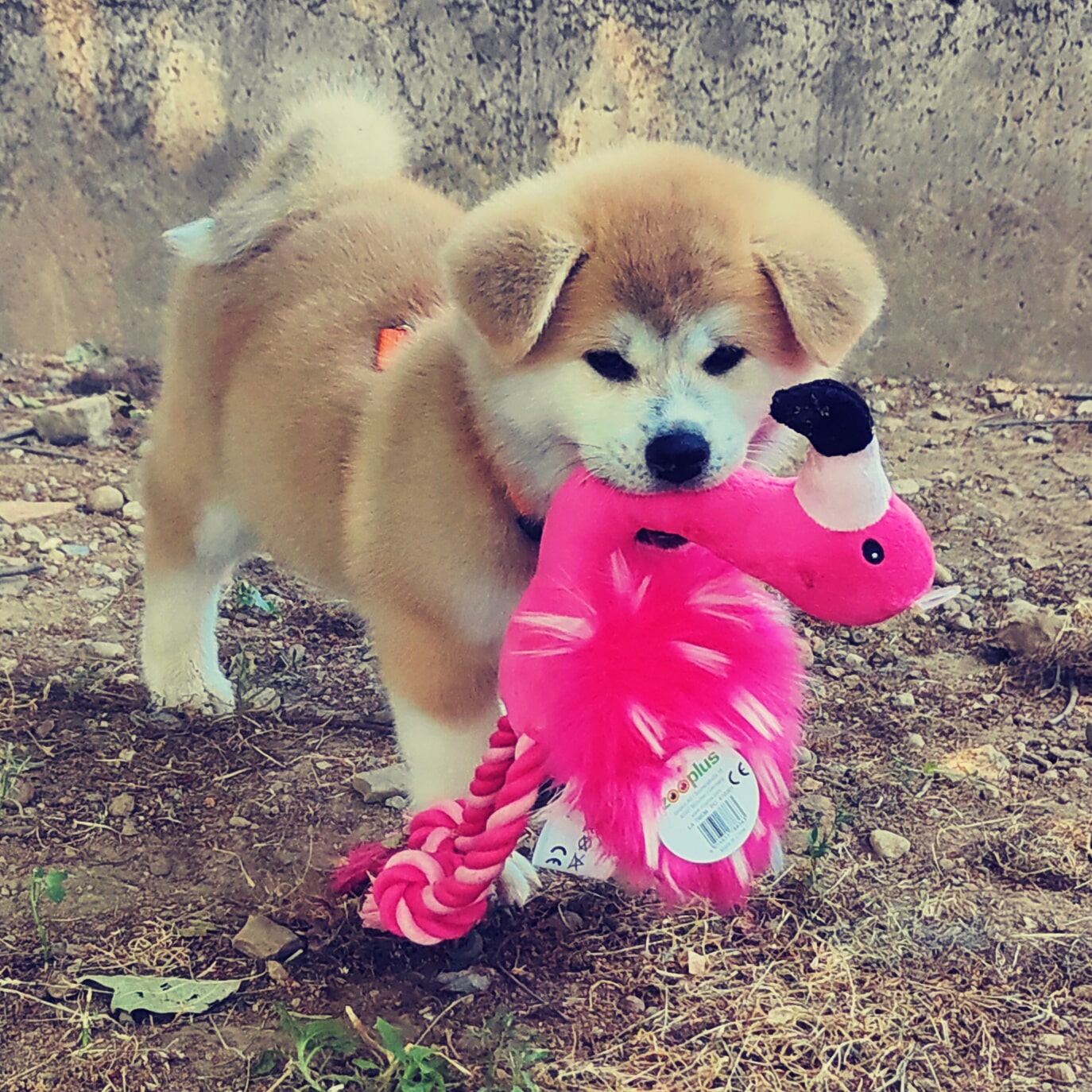
CUCCIOLI AKITA INU da allevamento ENCI - in famiglia a partire da novembre 2026
trattativa privata
Giussano (MB)
Doragon no Kokoro Kensha
Pubblicato il 18 Novembre 2025

Barboncino toy maschio red
1.400,00 €
GALLICANO NEL LAZIO (RM)
ALLEVAMENTO AMATORIALE
Pubblicato il 13 Ottobre 2026

Vermont Timber Management Services
in regalo
vermont (VR)
Vermont timber management services
Pubblicato il 13 Ottobre 2026

Femminucchia chihuahua pelo lungo pedigree enci
1.200,00 €
Triggiano (BA)
Pet's paradise
Pubblicato il 12 Ottobre 2026